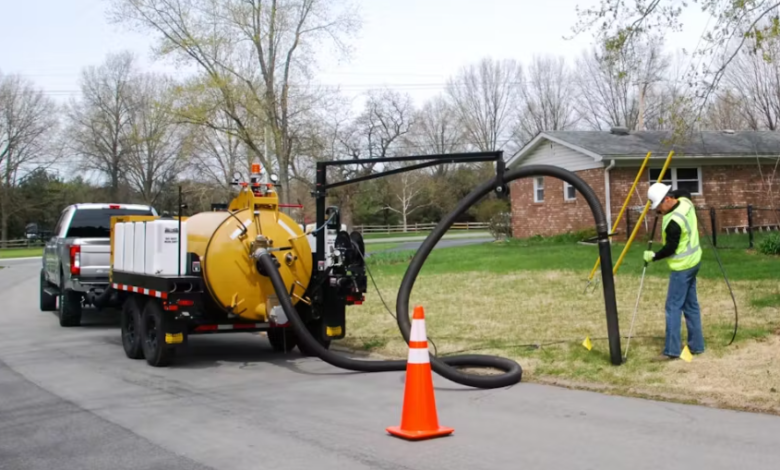
Vacuum excavation Sunshine Coast services have become a preferred choice for both residential and commercial projects that require precision and safety. This advanced technique uses air or water pressure to loosen soil, which is then extracted by a powerful vacuum system. The process is designed to expose underground utilities and clear debris without causing damage to existing infrastructure. As development and construction continue to grow across the region, the demand for efficient and environmentally responsible excavation methods has increased. Vacuum excavation is now widely recognized as one of the safest and cleanest options available for projects of all sizes.
Choosing the right vacuum excavation Sunshine Coast provider is essential for achieving quality results while maintaining environmental integrity. This non-destructive digging method is particularly beneficial in areas with complex underground networks such as gas lines, electrical cables, and water systems. Traditional excavation methods can pose risks of accidental damage, but vacuum excavation allows for controlled digging that minimizes disruption and reduces costly repairs. For both private property owners and large-scale construction firms, this modern approach provides a reliable solution that combines accuracy, safety, and environmental care.
What is Vacuum Excavation?
Vacuum excavation, sometimes referred to as non-destructive digging, is a process that uses a high-pressure water or air lance to break up soil before it is vacuumed into a holding tank. This allows for the careful removal of earth around sensitive areas like underground utilities or foundations. The technique is widely used in construction, plumbing, telecommunications, and civil works. It is particularly useful in tight or urban spaces where traditional digging equipment might be too intrusive or dangerous.
Unlike mechanical excavation, which relies on heavy equipment and can be prone to accidental strikes, vacuum excavation provides a cleaner, more precise alternative. Because it removes soil in controlled layers, it allows workers to see what they are uncovering clearly. This minimizes the chance of hitting important infrastructure and makes it easier to plan and execute the next steps of a project.
Advantages of Vacuum Excavation
There are several reasons why vacuum excavation has become a preferred method across the Sunshine Coast. One of the most important benefits is safety. Striking underground utilities such as gas lines or electrical cables can lead to serious accidents and expensive delays. By using air or water to loosen soil rather than heavy machinery, operators can safely expose utilities without causing harm.
Another key advantage is efficiency. The process is faster and cleaner than traditional digging, reducing cleanup and disposal time. The vacuum system captures soil and debris directly into a containment tank, keeping the surrounding area tidy and minimizing environmental impact. This makes it an excellent choice for projects located near sensitive habitats, waterways, or residential neighborhoods where noise and disruption must be kept to a minimum.
Environmental sustainability is another major benefit. Because the process is non-invasive, it helps prevent soil contamination and erosion. Many Sunshine Coast service providers also follow strict environmental regulations and ensure that all waste materials are disposed of responsibly.
Applications Across Industries
Vacuum excavation is highly versatile and can be used in a wide variety of applications. In construction, it is used to safely locate and expose underground utilities before heavy machinery begins earthmoving operations. In plumbing and electrical work, it allows technicians to access buried infrastructure without damaging surrounding materials. Municipalities use vacuum excavation to maintain drainage systems, clean stormwater pits, and repair pipelines. It is also commonly used for tree root protection, environmental sampling, and posthole digging.
Because of its adaptability, vacuum excavation is suitable for both small residential projects and large-scale commercial or civil developments. Whether you are installing a new fence, upgrading utilities, or preparing land for new construction, this technique ensures accuracy and safety at every stage.
See also: Nanotechnology and Its Real-World Applications
Choosing the Right Service Provider
Selecting a qualified vacuum excavation service provider is key to ensuring your project is completed efficiently and safely. Look for companies that use modern, well-maintained equipment and employ trained operators with experience in non-destructive digging. Reputable providers will conduct site assessments, follow local regulations, and prioritize safety for both workers and the environment.
It is also important to choose a provider that offers transparent pricing and reliable scheduling. Many Sunshine Coast operators provide 24-hour emergency services, making them a dependable choice when urgent excavation is required. Reading customer reviews or asking for referrals can help you find a company with a proven track record of professionalism and quality work.
Final Thoughts
Vacuum excavation represents a major advancement in safe and sustainable earthmoving. Its precision, efficiency, and minimal environmental impact make it the ideal choice for modern infrastructure projects across the Sunshine Coast. By working with experienced professionals who understand the complexities of underground systems, you can complete your project with confidence and peace of mind. Whether for construction, maintenance, or environmental management, vacuum excavation continues to set the standard for responsible and effective excavation practices.