In today’s fast-paced digital world, maintaining a reliable power supply is crucial for both businesses and households. Power interruptions can lead to significant data loss, operational downtime, and equipment damage. This is where an uninterruptible power system (UPS) comes into play. It is a vital technology designed to provide emergency power during outages, ensuring continuity and protection for electronic devices and critical systems.
What is an Uninterruptible Power System?
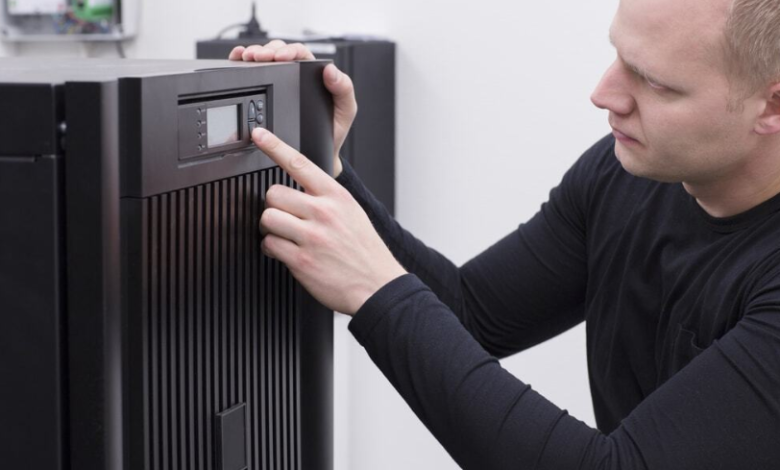
An uninterruptible power system is an electrical device that provides backup power when the main power source fails. Unlike conventional backup generators that take time to start, a UPS instantly supplies power without any delay, ensuring that connected devices continue to operate without disruption.
UPS systems are commonly used in data centers, hospitals, telecommunication networks, and home offices to safeguard computers, servers, medical equipment, and other sensitive electronics. By providing a stable power supply, a UPS prevents data corruption, hardware damage, and operational downtime.
See also: Smart Homes: Convenience vs. Security Concerns
How Does an Uninterruptible Power System Work?
A UPS system typically consists of three core components:
- Rectifier/Charger – Converts incoming AC (alternating current) to DC (direct current) to charge the UPS battery.
- Battery – Stores electrical energy that can be used during power outages.
- Inverter – Converts DC back to AC to power the connected devices during an outage.
When the main power supply is stable, the UPS system charges its internal battery while allowing electricity to flow to connected devices. When a power failure occurs, the UPS instantly switches to battery power, providing uninterrupted electricity. Advanced UPS systems also include surge protection and voltage regulation features to maintain a consistent output voltage, protecting sensitive equipment from fluctuations.
Types of Uninterruptible Power Systems
There are three main types of UPS systems, each suitable for different needs:
- Offline/Standby UPS
- Provides basic power backup.
- Activates battery only when a power outage is detected.
- Ideal for small offices and home use.
- Provides basic power backup.
- Line-Interactive UPS
- Regulates voltage fluctuations without switching to battery.
- Offers better protection against power surges and brownouts.
- Commonly used for servers and network equipment.
- Regulates voltage fluctuations without switching to battery.
- Online/Double Conversion UPS
- Provides continuous power from its inverter, eliminating any transfer time.
- Offers the highest level of protection against all power issues.
- Suitable for mission-critical applications such as data centers, hospitals, and industrial facilities.
- Provides continuous power from its inverter, eliminating any transfer time.
Benefits of an Uninterruptible Power System
Investing in a UPS system offers multiple benefits:
- Continuous Power Supply: Prevents interruptions during blackouts or power fluctuations.
- Data Protection: Safeguards against data loss or corruption in computers and servers.
- Equipment Longevity: Reduces the risk of damage to sensitive electronics from voltage spikes.
- Operational Efficiency: Minimizes downtime for businesses, maintaining productivity and customer service.
- Emergency Power Support: Provides critical backup for essential systems like medical equipment and communication networks.
Applications of Uninterruptible Power Systems
UPS systems are versatile and widely used across various industries:
- Data Centers: Protect servers and networking equipment from power outages and voltage fluctuations.
- Healthcare: Ensure uninterrupted operation of medical devices and life-support systems.
- Telecommunications: Maintain communication networks without downtime.
- Industrial Facilities: Safeguard machinery and control systems from sudden power loss.
- Home Offices: Protect personal computers, Wi-Fi routers, and home entertainment systems.
Maintenance Tips for a UPS System
To ensure optimal performance, regular maintenance is essential:
- Check battery health periodically and replace aging batteries.
- Keep the UPS in a clean, cool, and ventilated environment.
- Test the UPS system regularly by simulating power outages.
- Update firmware and software if the UPS supports monitoring features.
- Avoid overloading the UPS beyond its rated capacity.
FAQs About Uninterruptible Power Systems
Q1: How long can a UPS provide backup power?
A UPS can provide power from a few minutes to several hours, depending on the battery capacity and connected load.
Q2: Can a UPS replace a generator?
No, a UPS is designed for short-term backup, typically minutes, while a generator is used for long-term power outages.
Q3: Is a UPS necessary for home use?
Yes, especially if you have sensitive electronics like computers, smart home devices, or home offices.
Q4: How do I choose the right UPS for my needs?
Consider the total power load, required backup time, and type of devices being protected. Online UPS is recommended for critical systems, while offline UPS suits basic needs.
Q5: How often should I replace the UPS battery?
Typically, UPS batteries last 3 to 5 years. However, regular testing and monitoring are recommended to avoid unexpected failures.
Conclusion
An uninterruptible power system is an essential investment for anyone who relies on electricity to operate critical devices. It not only ensures uninterrupted power supply but also protects sensitive electronics from damage, enhances operational efficiency, and provides peace of mind during power outages. Whether for industrial, commercial, or home use, choosing the right UPS system can safeguard your equipment and data, keeping your operations running smoothly even during unexpected power failures.