The integration of smart home technology has transformed modern living, offering remarkable convenience and automation. However, this innovation is not without its drawbacks. Security risks, including potential data breaches and unauthorized access, pose significant concerns for homeowners. As reliance on these devices grows, understanding the balance between the benefits and the inherent vulnerabilities becomes essential. Exploring effective strategies for enhancing security is crucial in navigating this complex landscape.
The Rise of Smart Home Technology
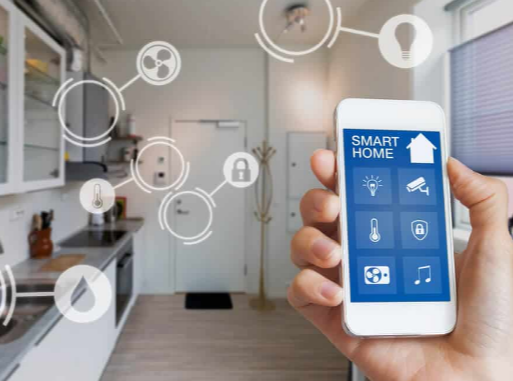
As smart home technology continues to evolve, it has gained significant traction among consumers seeking enhanced convenience and efficiency in their daily lives.
Smart device integration represents a key component of this movement, enabling seamless communication among devices.
Home automation trends further drive adoption, reflecting a growing desire for personalized living environments that prioritize user control and flexibility, ultimately reshaping modern domestic experiences.
Benefits of Smart Homes
While many consumers are drawn to smart homes for their convenience, the benefits extend far beyond mere ease of use.
Smart homes promote energy efficiency through optimized resource management, reducing utility costs and environmental impact.
Additionally, home automation enhances lifestyle quality by allowing seamless control of appliances and systems, fostering a more efficient and comfortable living environment for homeowners seeking autonomy and modernity.
Security Risks Associated With Smart Devices
Although smart homes offer many advantages, they also introduce significant security risks that cannot be overlooked.
Data breaches and device vulnerabilities pose serious threats to user privacy and safety. Insecure connections can allow unauthorized access to personal information, while poorly designed software may leave devices open to exploitation.
As reliance on smart technology grows, understanding these risks becomes essential for maintaining both convenience and security.
Read Also: Emergingtechs.Net Stay Updated Always: Stay Ahead With Emergingtechs.Net
Tips for Enhancing Smart Home Security
Addressing the security vulnerabilities associated with smart devices requires proactive measures to safeguard personal data and maintain a secure environment.
Effective password management, including using strong, unique passwords for each device, is essential.
Additionally, enabling device encryption can further protect sensitive information from unauthorized access.
Implementing these strategies can significantly enhance the overall security posture of smart homes, ensuring both convenience and safety.
Conclusion
In the realm of smart homes, the allure of convenience is akin to a captivating siren’s song, drawing homeowners closer to the shores of automation. Yet, hidden beneath the glimmering surface lies a treacherous undertow of security risks that can swiftly pull them under. To navigate these waters safely, homeowners must don the armor of strong passwords and encryption, ensuring they can enjoy the benefits of their digital havens without succumbing to the lurking dangers that threaten their peace of mind.